Why finding modern slavery is still a good thing (Part 3)
Australia is proposing to hold businesses criminally accountable for failing to prevent modern slavery. Here are my thoughts, in 3 parts.
[You are here] Part 3: what businesses are actually expected to do.
Are you talking about doing good, or doing good?
A few years ago when I worked for the Walk Free Foundation, Andrew Forrest would grab the attention of the room by saying, you need to celebrate when you find slavery. And while I might not use the same language, finding human rights harm is not a failure of the programme. Rather, it is an indicator you are looking in the right places, recognising the scale of the harms globally.
Imagine this scenario. A supplier factory reported zero grievances for the year. The figure gets reported to the customer, aggregated with other supplier data, reviewed by management, and perceived to be a reassuring line in a modern slavery statement. “We had no reported grievances of modern slavery from suppliers in the reporting year”.
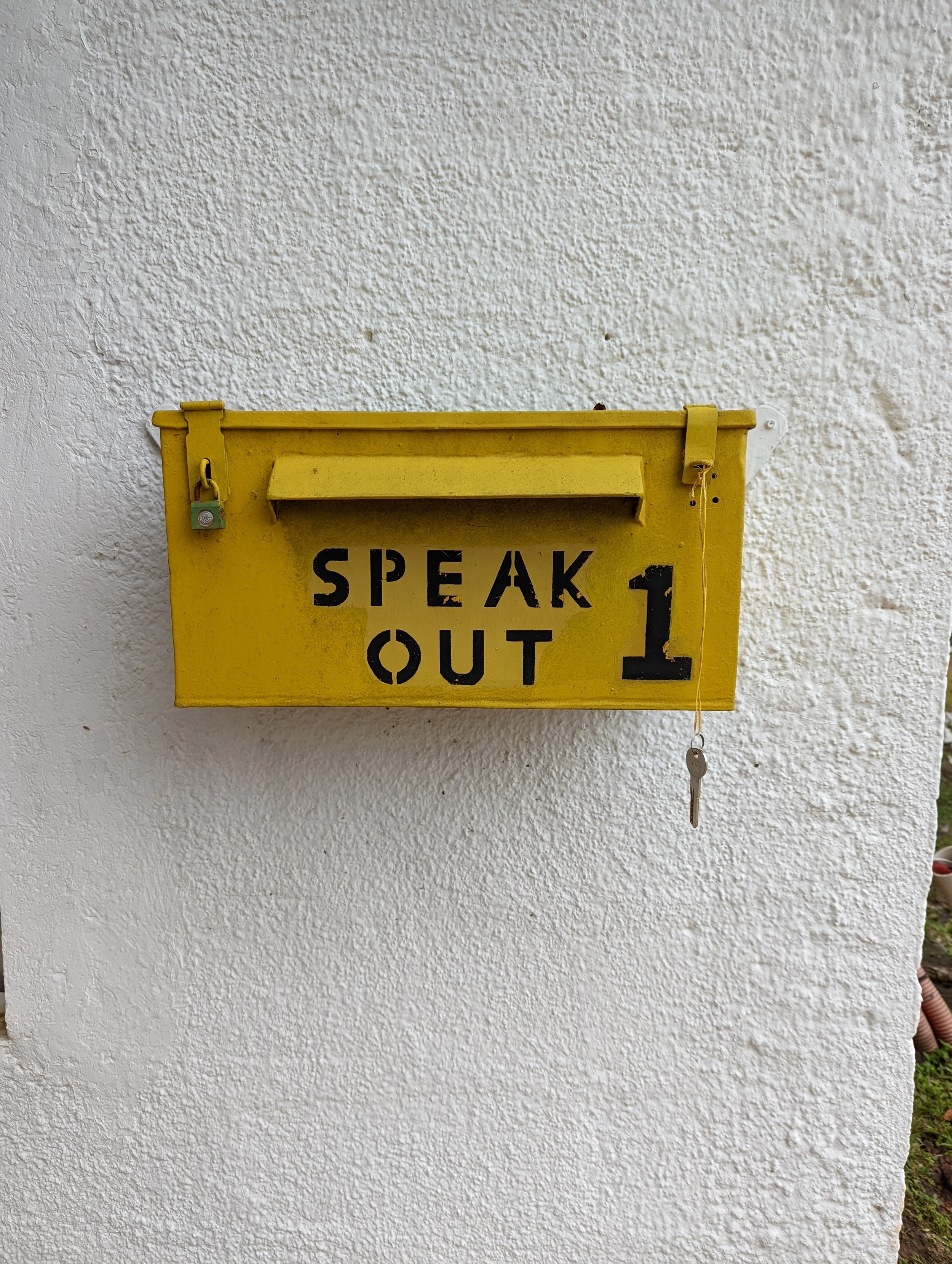
But did anyone check the mechanism?
On a visit to site, you might actually see the mechanism is actually just a rusty tin box and it’s intimidatingly sitting outside management’s office.
Or see that the QR-code to an online form is in a language workers are not comfortable using.
Or a casual conversation on site might reveal what everyone there already knows, that the last worker who raised a concern was rostered off and never seen again.
[See my post about why field work is so critical!]
This isn’t novel to the issue of modern slavery. For example, the safety comparison is useful and one the mining sector knows well. In a safety-critical business, a low incident or near-miss reporting rate is not automatically good news. It may reflect a workforce that does not report, managers who do not listen, or a system that punishes people for raising concerns. When reporting culture improves, the numbers may initially look worse because more truth is entering the system.
Similarly a zero-grievance figure, without evidence that the mechanism is known, accessible, trusted and safe to use, would not pass the pub test. What might get closer to reasonable steps could be evidence of:
People know the mechanism exists
People actually use it, in a language and format that works for them
People trust the mechanism, and they don’t fear (and haven’t experienced) retaliation
Response times and outcomes are tracked
And this is just providing an example for what reasonable steps could look like for grievance management.
What could good look like?
We do not yet know what the proposed law and defence will require. But all roads lead back to an effective human rights due diligence management system.
What does that mean? Yes, it means a policy. Yes, it means some model of self-assessment questionnaires. Yes, audits have a role. But it also looks like:
Proportionate risk assessments based on risk to people and informed by people.
Tested worker voice and grievance mechanisms that focus on awareness, accessibility, trust, response times and remediation outcomes.
Contract clauses that don’t shift risk but prioritise collaboration.
Remediation aligned with the UNGPs. (And it does not all have to be the big, complex, multi-stakeholder remediation efforts. It includes the everyday work companies already do without ever calling it remediation: e.g. fixing a contract a worker was never able to read).
A culture of continuous-improvement with effectiveness indicators.
A reasonable steps defence should make it safe for a company to try, to get it wrong, and keep going. That is how a due diligence culture actually gets built.
Where next?
My hope is that Australians use this reform process to refocus not retract.
Focus on work (and reforms) that respects fundamental human rights and produces stronger, more resilient businesses, particularly in a time of uncertainty and economic pressure.
Most would agree the status quo needs to change. The outcome cannot be another year of glossy reporting and policies treated as a substitute for action.
Let’s not allow our tiredness and short-term thinking to set the tone of the consultation, or let businesses settle on the wrong question: “What is the minimum we need to do?”
The narrative needs to flip. We should welcome this commitment and advocate for laws that recognise that the safest company is not the one that finds nothing and says nothing. It is the one that can show it looked properly, acted when it found concerns, and kept improving.