Redefining the practitioner role
So my family and friends have no idea what I actually do!
I've been mulling on this for a few weeks after it came up over dinner. And then today it came up sideways, in a conversation with a client who's hiring a human rights person.
They want to get a specialist experienced BHR adviser and we were chatting about how to pick the winners.
I suggested the number one thing to ask: have they been to the field?
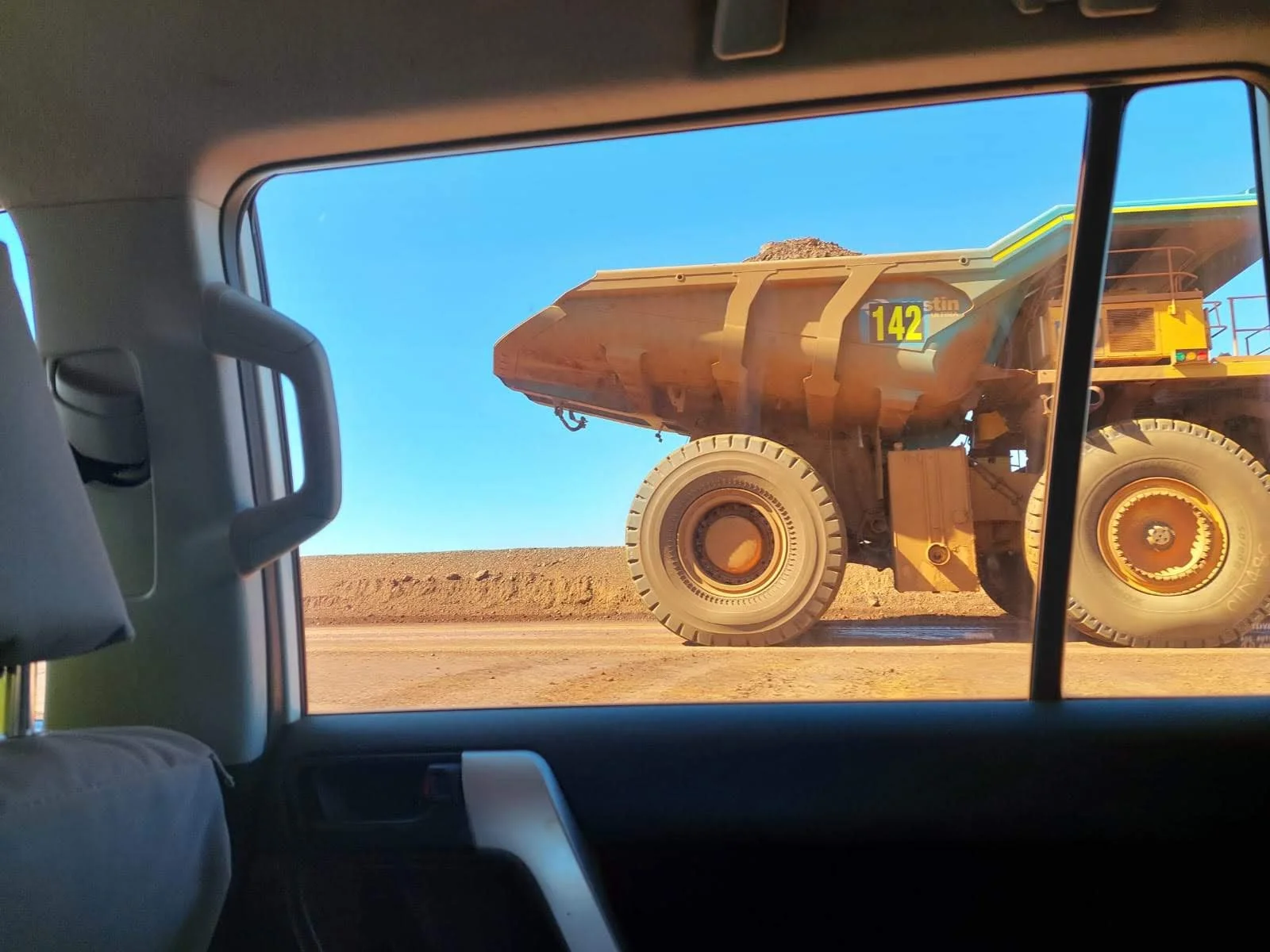
Beyond the computer screen and desktop. Beyond the policies. Beyond the PPT, Word and Excels. Have they sat with workers and actually listened? Partnered with a supplier through a hard problem? Run a risk assessment in a factory, at a site, in a community? Remediated harm — not written about remediating harm, but done it?
But here's the uncomfortable part: most human rights practitioners never get the budget or support to do this work. Which is strange, because it's the critical, human-centred work — and in my experience it's the work that actually creates value for the business and creates those “ahha” moments.
It's also why so much modern slavery reporting is depressing at the moment and feels like it is stagnating. Policies, risk registers, virtual training. Companies aren't freeing their teams to get into the field, and their programmes are quietly flailing under the bureaucracy of paperwork, reporting, board papers, writing procedures …
Do we need to fundamentally redesign the practitioner role and job spec to move the dial on business and human rights?