Finding the beauty in the world
What a human rights campaigner taught me about lasting in this work
A few years ago, I was rapidly reaching breaking point. A combination of corporate politics, difficult stakeholders, challenging work, no resources, no team.
I looked at my diary and saw I had booked a coffee meeting, I felt the temptation to cancel (you know the feeling). But a friend wanted me to meet her sister who was human rights campaigner from a well-known global NGO. I knew she’d be naturally sceptical of our BHR work - so I wasn’t sure how the conversation would go (and honestly I was deeply sceptical of my work that day). We sat down for a coffee, and I listened in amazement at her career of working across war zones, taking on corporates over climate change, raising her family through all of it. Real frontline work.
With burnout bubbling up in my eyes, I asked her: how do you keep going in this job?
She said matter of factly, gardening. It’s my way of continually reminding myself of the beauty in the world.
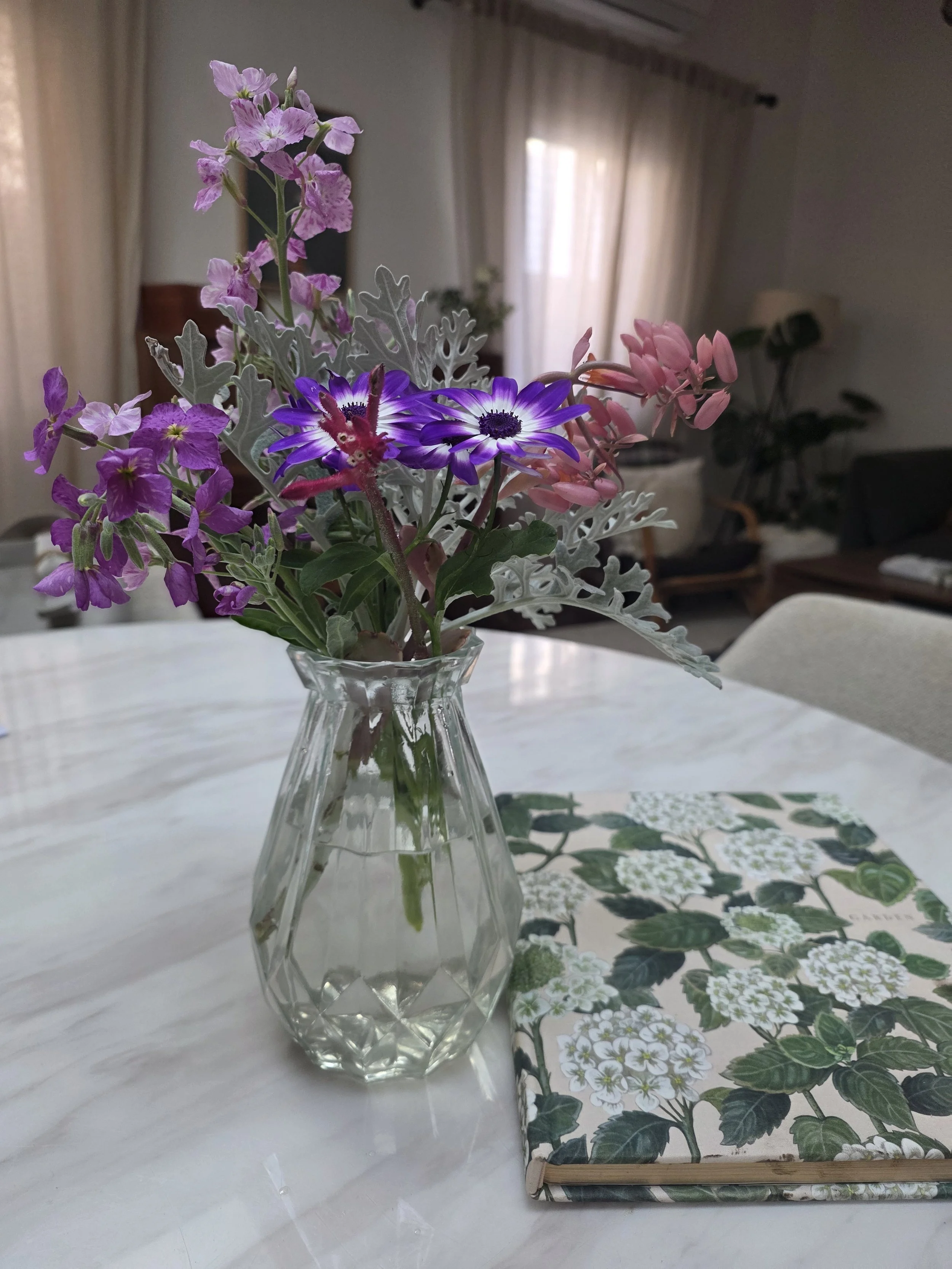
This morning as I picked some flowers from my garden that I grew from seed (save for one is from Bunnings) admiring my little posy, it reminded me of that conversation and how human rights work can be heavy.
First and foremost, it’s the issues themselves - children in desperate poverty who need to work in dangerous conditions to support families, migrant workers looking for a better life and then instead deceived and trapped in debt bondage, massive injustice and violence against communities who don’t even have running water or electricity in their homes, systemic racism and discrimination against women … the issues go on. And they are deeply connected to every business and supply chains.
It is a deep privilege to sit with people face to face, listen to their stories and you feel the injustice, the true nature of this work. But let’s be honest - too often there’s a risk you dissociate behind a computer screen, reading a report or casually talking about these issues as if it’s a compliance exercise. That’s why it matters so much for practitioners to be in the field (see my other post).
And without feeling trite or complaining (these are people whose rights are being systemically stripped away) - there is a space to acknowledge the weight, the burden on practitioners themselves. The sheer size and ambition of the job. The constant advocating and influencing. Trying to raise one issue and realising the system is so tangled and broken that you’re now talking about ten. The politics. The paperwork. The complexity.
In my corporate law days, I knew pressure and complexity too — big clients, hard deadlines, billion dollar deals. But it was somehow different. The pressure was to deliver the deal, not to fix the world - it was a personal pressure to perform, to achieve, to succeed. In business and human rights, all that pressure remains, and compounds because we care. And for me - I felt my privilege - earning good pay, talking about rights after flying business class to a country in poverty, the safety of my home. So when I didn’t deliver, it wasn’t just a missed deadline. It’s heavy.
Burnout is a buzzword right now, but do we need to flip the conversation and talk enough about what sustains people? Exhaustion and overwhelm is quietly taking good people out of this work - whether it’s human rights, sustainability, or community relations - and the work needs them.
*Side note please don’t tell someone they are “in burnout”. When you are in the midst of it, being labelled that way can feel infuriating and reductive. Listen instead. Ask what they need.
A posy of homegrown flowers won’t fix any of that. But for me it’s one small way to remind myself to pause and show up again tomorrow.
What keeps you sustained in this work?
P.S. A dog also helps. I had a colleague who used to joke we all need therapy dogs in this work, they never judge and they keep your feet warm!